

The Albert M. Silverberg Memorial Philanthropic Fund
was established by friends of Albert M. Silverberg to provide special services, opportunities, and supports that enhance the lives of Jewish individuals who are frail, homebound, isolated, or otherwise face barriers to participation in community life. The fund’s purpose is to help individuals remain connected to and more fully participate in the Greater Buffalo Jewish community.
Albert M. Silverberg Memorial Grant
Grant Availability
- Grants of up to $200 may be requested.
- Applications are accepted on a rolling basis throughout the year.
- Organizations may submit more than one request per year.
- Funding is subject to available resources.
Eligibility
- Applications must be submitted by a nonprofit organization, congregation, school, agency, or other charitable organization for the benefit of Jewish individuals in the Greater Buffalo region.
- Grants may support a specific individual or a program, activity, or initiative that benefits Jewish individuals who are frail, homebound, isolated, or otherwise unable to fully participate in Jewish communal life due to age, disability, health conditions, mobility limitations, or other circumstances.
The applying organization must be responsible for administering the funds and ensuring they are used for the approved purpose.
Eligible Requests
Funding may be used for expenses that help individuals stay connected to Jewish life, reduce isolation, and increase participation in the Buffalo Jewish community. Examples include:
-
Participation in Jewish educational, cultural, recreational, religious, or community programs
-
Transportation assistance that enables participation in Jewish community activities
-
Technology, equipment, or services that help individuals connect virtually to Jewish programs, services, or events
-
Accessibility supports or accommodations that facilitate participation
-
Special experiences, programs, or services that promote connection, inclusion, and engagement
-
Other requests consistent with the fund’s purpose
Reporting
Recipient organizations may be asked to provide a brief follow-up note or email describing how the funds were used and the impact of the grant. Receipts may be requested when appropriate.
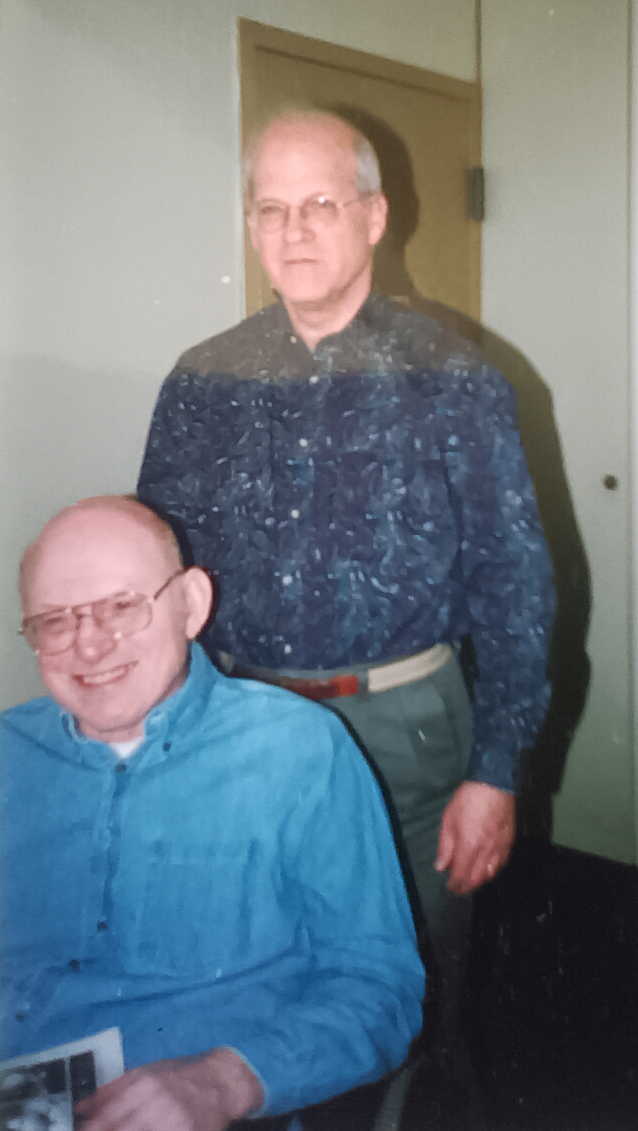
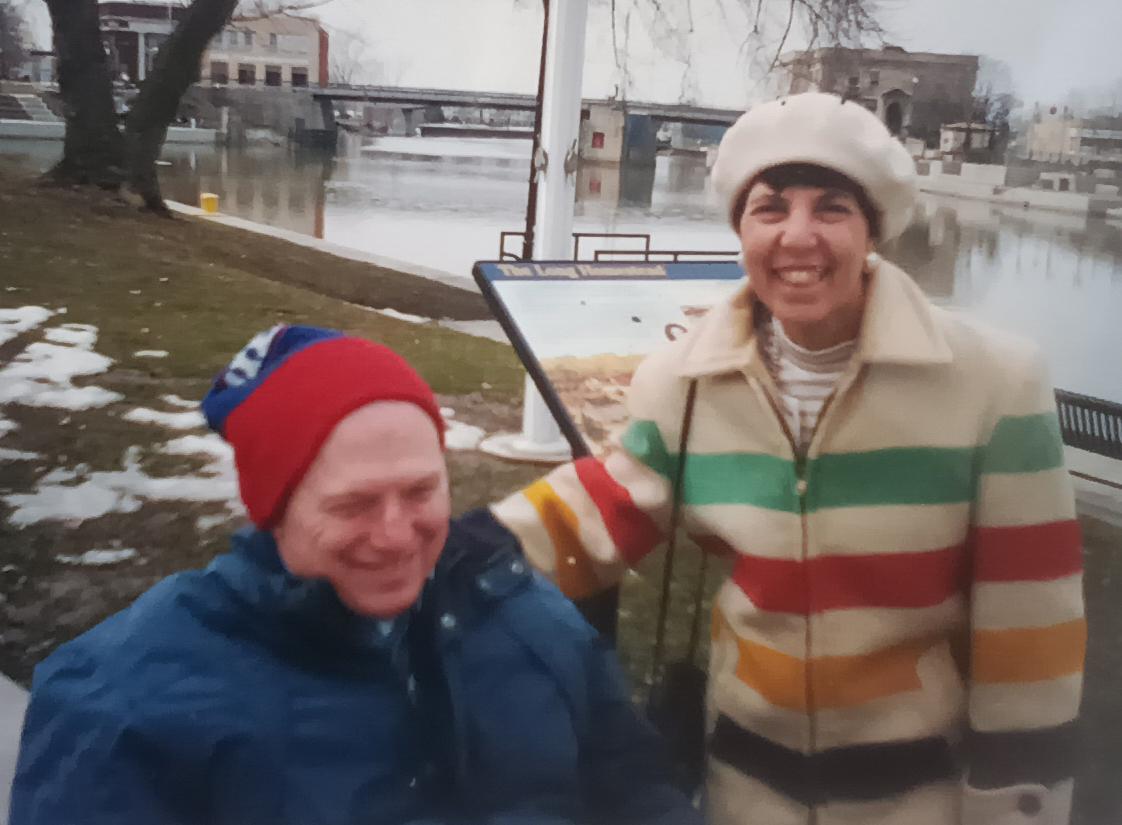
Albert M. Silverberg
When Albert M. Silverberg died in 2005 he was just 62 years old and had spent half his life in a wheelchair. Yet whenever the subject of his handicap was discussed, he had a ready response: “There are so many people worse off than I am,” he would say, and he meant it.
Until 1974, Albert was living a fairly normal life, having graduated from the University at Buffalo and served in the U.S. Army. Then, at only 31 years of age, he was suddenly stricken with a paralysis that would confine him to a wheelchair for the rest of his life.
After his death, the fund was conceived by some of Albert’s close friends, all of whom befriended him and assisted him whenever possible.
“He was a caring and wonderful human being,” recalled Fran Paskowitz. “Albert always had a smile and the world was never too difficult for him to deal with. He would be very pleased to know that his legacy will be helping others connect to the Jewish community.”
Ms. Paskowitz, a member of Young Israel of Greater Buffalo, first met Albert over 20 years ago when the synagogue members embarked on a program of establishing friendships with elderly or disabled Jewish persons. She “adopted” Dina Silverberg, Albert’s late mother, and through her, met Albert. He was living at the Erie County Home & Infirmary in Alden at the time, and she assisted him in relocating to a more appropriate setting, an apartment in the City of Tonawanda.
He strived to be as independent as possible, driving and traveling in a van with hand controls, lifting weights, bowling and playing basketball in handicapped leagues for veterans, playing chess, writing, drawing, and attending classes in accounting and economics at UB.
“The story of Albert Silverberg is really inspiring,” said Peter Fleischmann, former Director of the Foundation for Jewish Philanthropies.” He was a determined person, resolved to be as independent as he could be, given his disability. Now the fund that memorializes him will be available to provide life-enhancing conveniences and assistance to help others to achieve what Albert sought for himself.”
